
Maryland Ignition Laws
Introduction to Ignition Interlock Devices
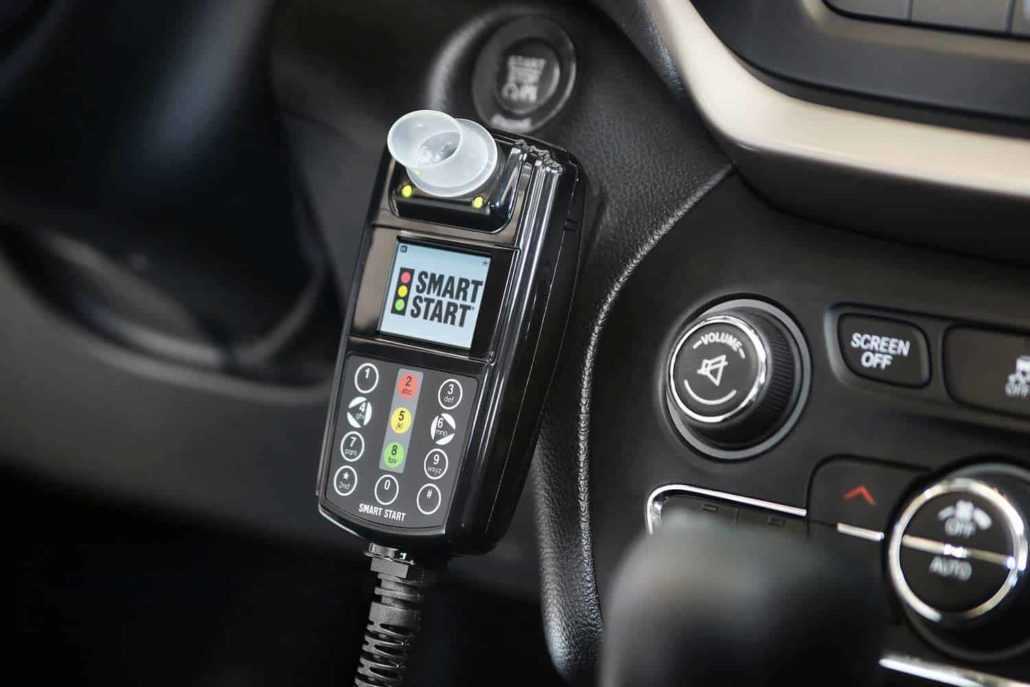
The state of Maryland has implemented a program to reduce the number of drunk driving incidents on its roads. This program involves the use of Ignition Interlock Devices (IIDs), which are installed in vehicles to prevent drivers from operating them while under the influence of alcohol. The devices require drivers to take a breath test before starting their vehicle, and if the test shows a blood alcohol concentration (BAC) above a certain level, the vehicle will not start.
The use of IIDs is a crucial component of Maryland’s efforts to combat drunk driving. By preventing drivers from operating their vehicles while intoxicated, these devices help to reduce the risk of accidents and save lives. The program is designed to be a deterrent, as well as a means of rehabilitation for those who have been convicted of driving under the influence (DUI).
Eligibility and Requirements
Who Needs an Ignition Interlock Device?
In Maryland, certain individuals are required to install an IID in their vehicle as a condition of their driver’s license being reinstated after a DUI conviction. This typically applies to those who have been convicted of a DUI offense, as well as those who have been found guilty of driving while impaired (DWI). The specific requirements for installing an IID vary depending on the circumstances of the offense and the individual’s driving history.
For example, if an individual is convicted of a first-time DUI offense, they may be required to install an IID in their vehicle for a period of six months. However, if they have previous convictions or their BAC was particularly high at the time of the offense, they may be required to use the device for a longer period of time. More information about the specifics of the program can be found by reading about Ignition Interlock Devices in Maryland and how they are used to enforce the state’s drunk driving laws.
Cost and Maintenance
In addition to the cost of installing an IID, individuals are also responsible for paying a monthly fee to maintain the device. This fee typically ranges from $50 to $100 per month, depending on the provider and the specific device being used. The cost of the device itself can also vary, but it is usually around $100 to $200. These costs are the responsibility of the individual, and they must be paid in order to continue using the device.
It is also important to note that individuals who are required to use an IID must have it calibrated and inspected on a regular basis. This typically involves taking the vehicle to a service center, where the device will be checked to ensure it is functioning properly. The cost of these inspections is also the responsibility of the individual, and they must be completed in order to continue using the device.
Consequences of Non-Compliance
Individuals who are required to use an IID but fail to do so can face serious consequences. If an individual is found to be driving a vehicle without a properly installed and functioning IID, they can be charged with a new offense and face additional penalties. These penalties can include fines, jail time, and the loss of their driver’s license.
In addition to these penalties, individuals who fail to comply with the IID program can also face longer periods of time with the device installed in their vehicle. For example, if an individual is required to use an IID for six months but fails to comply with the program, they may be required to use the device for an additional year or more. This can be a significant inconvenience, as well as a financial burden.
Conclusion
In conclusion, the use of Ignition Interlock Devices is an important component of Maryland’s efforts to combat drunk driving. By preventing drivers from operating their vehicles while intoxicated, these devices help to reduce the risk of accidents and save lives. While the program can be inconvenient and expensive for those who are required to participate, it is an important tool for promoting public safety and reducing the number of drunk driving incidents on Maryland’s roads.
Overall, the IID program is a crucial part of Maryland’s approach to addressing the problem of drunk driving. By providing an effective deterrent and a means of rehabilitation, the program helps to keep the state’s roads safe and reduce the risk of accidents. As such, it is an important program that plays a critical role in promoting public safety and reducing the number of drunk driving incidents in Maryland.