
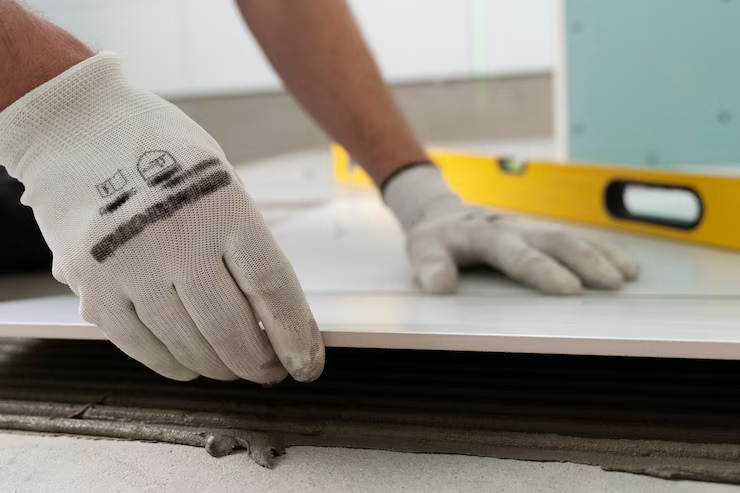
Cutting cement board can seem intimidating if you’ve never done it before. It’s heavy, tough, and produces a lot of dust. But don’t worry — once you understand the process and use the right tools, it becomes a straightforward job. Whether you’re working on a bathroom remodel, installing tile backer board, or building an outdoor kitchen, the right cutting technique will save you time, reduce waste, and give you cleaner results.
Below, I’ll walk you through how to cut cement board without messing it up, including tips for straight cuts, curved cuts, and hole cutouts.
Why Cement Board is Tricky to Cut
Cement board is made from a mixture of cement and reinforcing fibers, making it more durable than drywall. This durability is great for moisture-prone areas like bathrooms and kitchens, but it also means the board is harder to cut. On top of that, the material creates a fine dust when cut, which is harmful if inhaled. That’s why you need the right approach and safety precautions before getting started.
Safety First: Don’t Skip This Step
Before cutting, gear up! Cement board dust contains silica, which is dangerous to breathe in. Here’s what you’ll need:
- Dust mask or respirator – protects your lungs from silica dust
- Safety goggles – keeps dust and debris out of your eyes.
- Gloves – prevents cuts from sharp edges.
- Hearing protection – useful when using power tools.
If possible, work outside or in a well-ventilated area to minimize dust buildup indoors. Trust me, you don’t want that dust settling all over your house.
Tools You’ll Need
The tools you choose will depend on whether you’re making straight cuts or more complex shapes. Here are some common options:
- Utility knife with a sharp blade – ideal for scoring and snapping straight cuts.
- Carbide-tipped scoring tool – lasts longer than a standard utility knife blade.
- Jigsaw with a carbide-grit blade – perfect for curves or small cutouts.
- Circular saw with a carbide-tipped blade – great for long, straight cuts, but produces a lot of dust.
- Clamps – keep the board steady while cutting.
- Vacuum (with HEPA filter) – essential for cleaning up dust afterward.
Step 1: Measuring and Marking Your Cut
Start by measuring the area where you need to cut the cement board. Use a tape measure and a straight edge to mark your cutting line clearly. A pencil or marker works fine for marking. Double-check your measurements — cutting cement board isn’t hard, but mistakes can cost you an extra sheet.
Step 2: Making Straight Cuts (The Easy Way)
For straight cuts, the score-and-snap method is the simplest and cleanest way to go. Here’s how:
- Mark the line where you need to cut.
- Score the board several times along the line using a sharp utility knife or carbide scoring tool. Apply firm pressure to cut through the top surface and fibers.
- Snap the board by lifting it and applying pressure to break it along the scored line, just like snapping a chocolate bar.
- Cut the backing mesh on the opposite side with your knife to fully separate the pieces.
This method produces minimal dust, making it ideal for indoor work.
Step 3: Cutting Curves and Holes
Sometimes you’ll need to cut holes for pipes, outlets, or switches. Straight cuts won’t work here, so you’ll need to use a power tool:
- Jigsaw – Perfect for cutting curves or small shapes. Use a carbide-grit blade, and go slow to avoid chipping.
- Hole saw – Works well for perfectly round holes, like those for plumbing pipes.
- Oscillating multi-tool – Great for detailed cutouts in tight spaces.
When using power tools, always cut with the smooth side of the cement board facing up, and clamp it down to prevent movement. Keep your speed steady and let the blade do the work — forcing it can damage both the board and the blade.
Step 4: Cleaning Up the Dust
After cutting, don’t just sweep the dust — sweeping sends fine particles into the air, where they can stay suspended for hours. Instead:
- Use a shop vacuum with a HEPA filter to capture fine particles.
- Wipe down nearby surfaces with a damp cloth.
- Dispose of offcuts and dust in a sealed bag to keep the mess contained.
Pro Tips for Cleaner Cuts
- Work outdoors whenever possible to keep dust away from your living spaces.
- Keep an extra board handy in case of mistakes, especially if you’re new to working with cement board.
- Use slow, steady cuts with power tools to avoid chipping.
- Replace dull blades — cutting with a worn-out blade is frustrating and messy.
Final Thoughts
Cutting cement board doesn’t have to be a headache. With the right tools, safety precautions, and a bit of patience, you’ll be making clean, precise cuts in no time. Start with the simple score-and-snap method for straight cuts, and use a jigsaw or hole saw when you need to make curves or cutouts. The first few tries might feel awkward, but you’ll quickly get the hang of it.
By following these steps, you’ll save yourself from wasted material, unnecessary mess, and potentially damaged tools. So gear up, work smart, and how to cut cement board like a pro!